
Renovations in Downtown Charleston, SC
Kitchen, bathroom and whole-home renovations, additions and porches for houses on the peninsula.
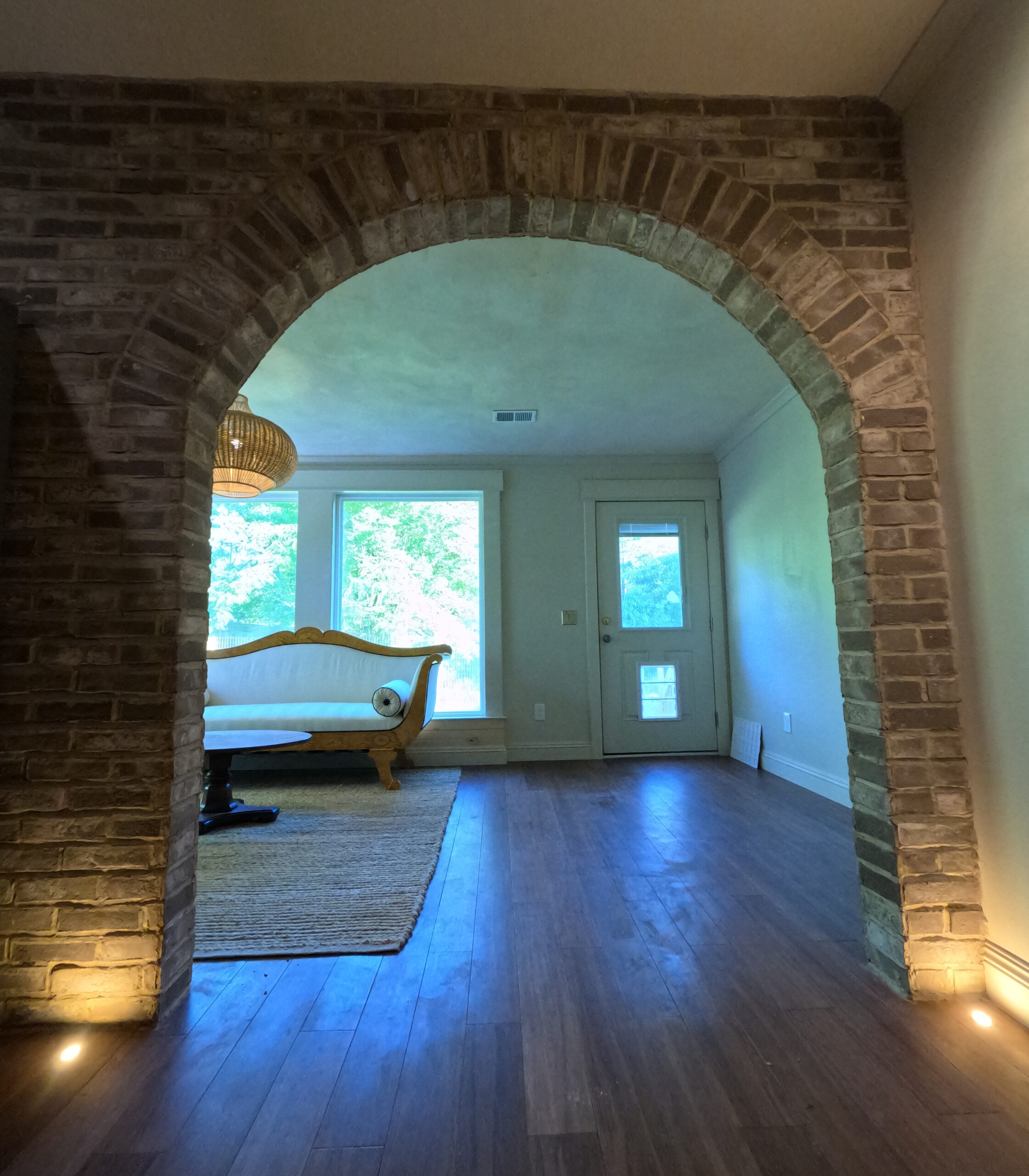
Renovating a downtown Charleston house
The peninsula has the most demanding houses in the Lowcountry to renovate well. Most of them were built before modern codes, of solid masonry or heart pine, finished in lime plaster, and they sit inside historic districts where what you can see from the street is protected. A good renovation here keeps what made the house last and brings the inside up to how people live now.
Luxurious Renovations is run by Zach Cramer, with over 30 years of family building experience behind the company. Zach runs every project himself and is on the job managing it. We study how Charleston’s old houses were built, starting with Brent Hull’s work on classical proportion and trim and with the city’s own historic buildings, so new work belongs to the house.
The houses
The Charleston single house
One room wide, with its narrow gable end to the street and long piazzas down one side, the single house is the city’s signature. The street door opens onto the piazza rather than into the house. Renovations usually work within that one-room-wide plan: kitchens and baths fitted into rooms that were never designed for them, and piazzas that need their columns, rails and floors kept sound.
The double house
Two rooms wide with a center hall, the double house gives more room to work with, and more original trim, mantels and plaster to protect while systems are replaced behind them.
Row houses
Attached houses share walls with their neighbors, which shapes everything from how a wall is opened up to how water and sound are handled at the party wall.
The BAR and the historic districts
Within the city’s historic districts, the Board of Architectural Review reviews new construction, alterations and renovations that can be seen from the public right-of-way, and its demolition review reaches further. Interior work is generally outside its review, so a kitchen, bathroom or interior layout can often change while the street face stays as it is.
On a historic job, we work with an architect on the drawings, file the applications and attend the hearings when they are needed, and we plan the schedule around the review. Our historic home renovation page covers how we approach these houses in more detail.
Flood rules on the peninsula
Much of the peninsula sits low. If a house is in a FEMA flood zone, a large enough renovation can trigger the “50% rule”, and the City of Charleston counts permits cumulatively over the past year. That can change what a renovation needs to include, including elevation. Our guide to the 50% rule explains how it works and what it means for a budget.
Lime plaster and masonry walls
Old Charleston walls need a way to dry out. Solid brick and lime mortar let moisture move through and dry; sealing them with cement-based patches or non-breathable coatings traps that moisture and does damage over time. We repair lime with lime, and where new plaster suits the house we use lime finishes like limewash, Venetian plaster and tadelakt.
Working on a downtown street
Downtown work is planned around tight lots and busy streets. A dumpster on the street needs a City right-of-way permit and has to sit in a legal parking space, and deliveries, parking for the crew and protecting the neighbors’ property are part of the plan from the first visit.
What we do downtown
The same work we do across the area: kitchen remodeling, bathroom renovation, whole-home renovation, additions and porches and piazzas, interior refreshes and specialty plaster.
Frequently asked questions
Does my renovation need BAR approval?
If the work changes anything visible from the street in a historic district, usually yes. Interior work generally does not. We confirm it for your house at the first visit.
Can you work with my architect?
Yes. On historic work we usually work with an architect on the drawings.
Who pulls the permits?
We do, including the right-of-way permit for a dumpster on the street.
OTHER SERVICES
FREE CONSULTATION
Let's talk about your project
Let's discuss your renovation vision and create a plan built to last.
843-709-6140Request a consultationWhat happens next: Zach calls you back and sets up a visit to your house. We talk about how you want to use the space, the style of the house and the materials that suit it. You get a budget and a design with the scope, we work through the options together, and then you get a final proposal.
GET IN TOUCH
We'd love to hear from you! Whether you have a question, feedback, or need assistance, feel free to reach out to us through the form below. Our team will get back to you as soon as possible.
I’m interested in...
Ready to Renovate Your Downtown Charleston Home?
Let’s talk about your house, what the BAR and the flood rules mean for it, and a renovation built to last.