
In the renovation industry, there’s a persistent focus on square footage. How many square feet are you renovating? What’s the cost per square foot? How much space can we add? These are valid questions, but they often overshadow a far more important one: how well is the work being done?
At Luxurious Renovations, we bring a built-to-last mindset to every renovation. Not 10 years. Not 20. Generations. We work within your budget, but the aim stays the same, and the way there is quality materials, proper installation and attention to detail.
The Hidden Cost of Cutting Corners
When one bid comes in well below the others, it’s worth asking where the savings come from. Often the answer is materials and the steps you can’t see: lower-grade lumber, cheaper fixtures, and shortcuts in waterproofing and insulation. Those choices save money upfront, and the problems they cause compound over time.
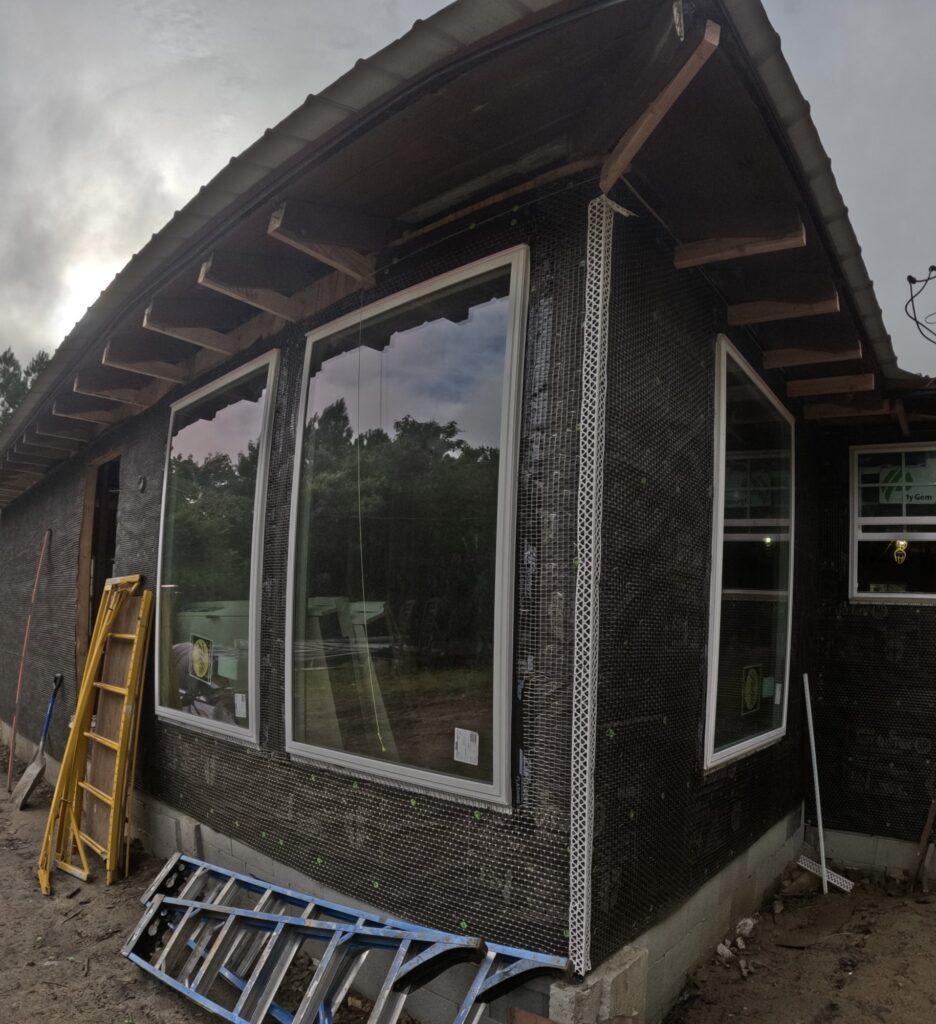
Consider a bathroom. Standard drywall in a shower, instead of a properly waterproofed substrate, saves a little at the start. Once moisture gets into the wall, it leads to mold, damaged framing and a tear-out, and the savings are gone.
In Charleston’s heat and humidity, this matters even more. Moisture management isn’t optional here; it’s the foundation of any renovation that’s going to last. Every material choice, from the framing lumber to the finish coat, has to account for it.
What “Quality” Actually Means
Quality materials don’t necessarily mean the most expensive option on the market. They mean the right material for the application, installed correctly.
Quality also covers style, not just durability. If the style and design are poor, it doesn’t matter how long the work lasts: someone ends up ripping it out, or stops keeping it up because they don’t like it. A renovation has to be built to last and designed well enough that people want to keep it.
Structural Materials
Properly graded lumber, engineered beams where needed, and fasteners rated for the application. The bones of a renovation determine everything that follows.
Waterproofing: The Install, Not the Brand
Waterproofing is a good example. Some products are better than others, but there are many systems that reach the same result. What matters most is following the manufacturer’s guidelines and installing the system properly. In our showers that might be tadelakt over cement board with a liquid membrane, or tile over a Schluter or GoBoard system: different assemblies with the same job, keeping water out of the wall.
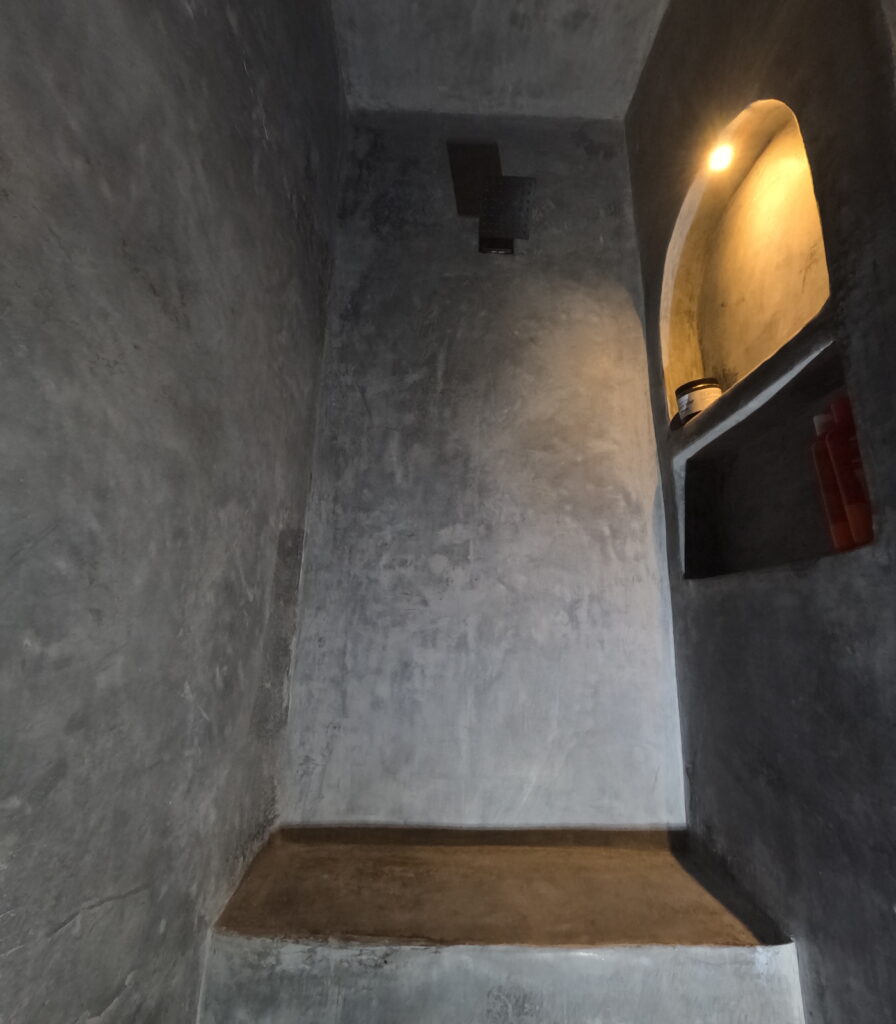
Outside, the same thinking applies to house wrap and flashing, and to vapor control where Charleston’s climate calls for it.
Surface Materials
Natural stone over composite when durability matters. Hardwood over laminate when longevity is the goal. Tadelakt where you want a seamless, waterproof finish that can be repaired rather than replaced.
Hardware & Fixtures
Solid brass over plated zinc. Ceramic disc valves over rubber washers. The components you use every day should be built to stand up to daily use, and to be repaired when they need it.
The Craftsmanship Factor
Quality materials are only half the equation. The best natural stone countertop won’t perform well if it’s installed on an unlevel substrate with inadequate support. The finest hardwood flooring will cup and buckle if the subfloor moisture isn’t managed before installation.
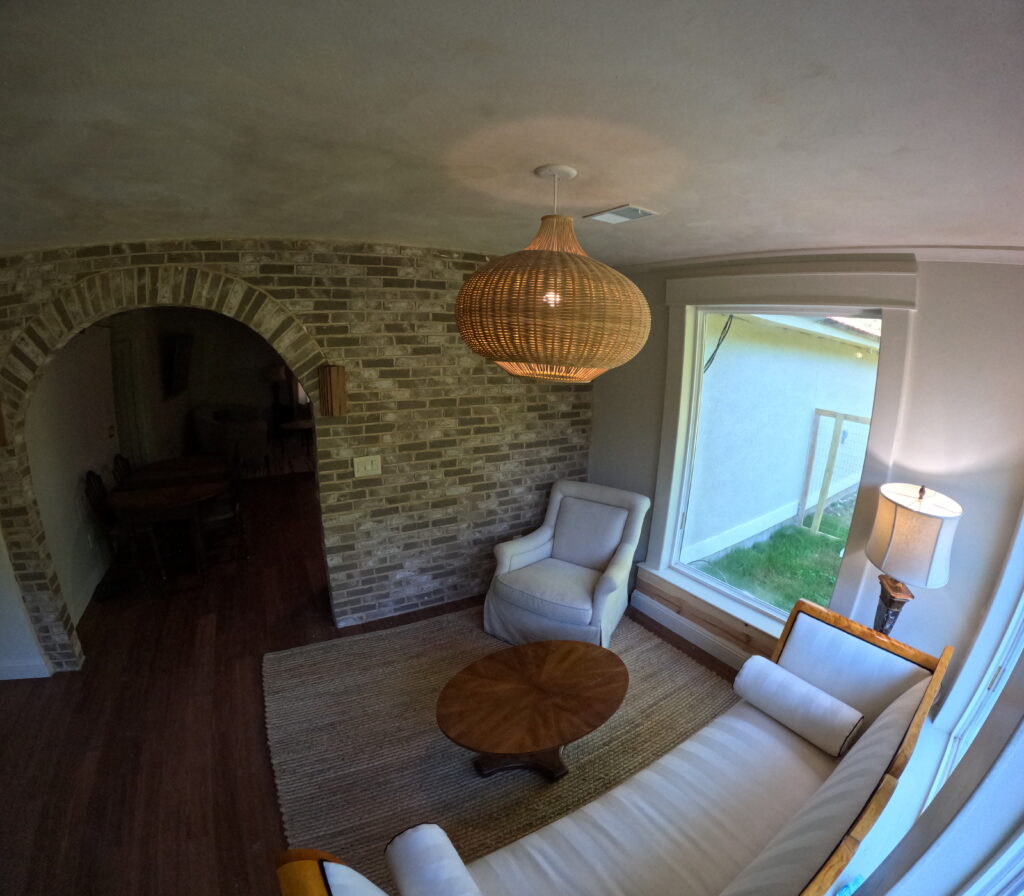
This is where working across trades matters. Understanding carpentry, masonry, electrical and plumbing lets you see how a renovation comes together: the electrical rough-in affects where the tile layout starts, the plumbing slope determines the shower pan design, and the framing changes shape the finish carpentry.
Zach runs every project himself and is on the job through every step, so those connections are planned rather than discovered halfway through.
Charleston’s Architectural Heritage Demands Better
Charleston is a city that understands the value of things built to last. Walk through the historic district and you’ll see homes that have stood for 200 years or more. The materials and techniques used in those buildings (lime plaster, heart pine, hand-forged hardware, properly laid brick) were chosen because they endure, and because they can be repaired.
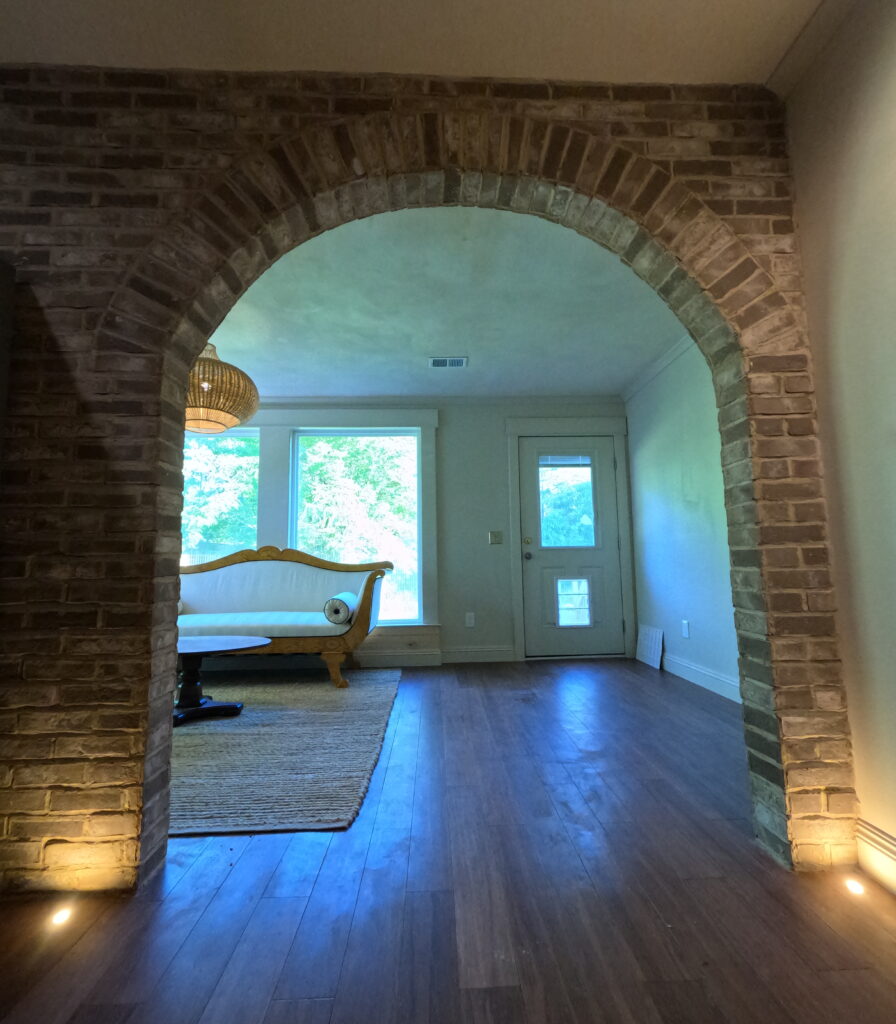
Modern renovations should honor that legacy. Not by using outdated methods, but by applying the same philosophy: choose materials for their longevity, install them with care, and build as if the work needs to last for the next family, and the one after that. That is the thinking behind our historic home renovation work.
It’s also why we offer tadelakt plaster. It has been used in Moroccan bathhouses for centuries, not because it was trendy, but because it works. It’s naturally waterproof, durable, and develops a beautiful patina over time. That’s the kind of material that belongs in a Charleston home.
How to Evaluate Material Quality in Your Renovation
If you’re planning a renovation in Charleston, here are some questions to ask your contractor about materials:
- What grade of lumber are you using for framing, and is it appropriate for our climate?
- What waterproofing system are you using in wet areas, and are you following the manufacturer’s installation guidelines?
- Are the fixtures solid brass or plated, and can they be repaired or rebuilt rather than replaced?
- What substrate are you using under the tile or stone, and why?
- How are you managing moisture in the wall cavities?
- Why did you choose these materials over the alternatives?
A contractor who can answer these questions confidently and specifically takes material quality seriously. One who deflects or gives vague answers may be cutting corners you won’t discover until years later.
The Bottom Line
Square footage matters, but it’s not the most important factor in a renovation. A smaller kitchen built with quality materials, good design and careful craftsmanship will serve you better than a larger one built with builder-grade materials and a rushed installation.
If you’re planning a whole-home renovation, kitchen remodel or bathroom renovation in Charleston, we’d love to talk about how quality materials, good design and careful craftsmanship make the difference between a renovation that gets redone and one that lasts.
OTHER SERVICES
FREE CONSULTATION
Let’s talk about your project
Let’s discuss your renovation vision and create a plan built to last.
843-709-6140Request a consultationWhat happens next: Zach calls you back and sets up a visit to your house. We talk about how you want to use the space, the style of the house and the materials that suit it. You get a budget and a design with the scope, we work through the options together, and then you get a final proposal.